The True Cost of Design Gaps for Red Light Therapy Manufacturers
Introduction — a clinic, a delay, and a stark number
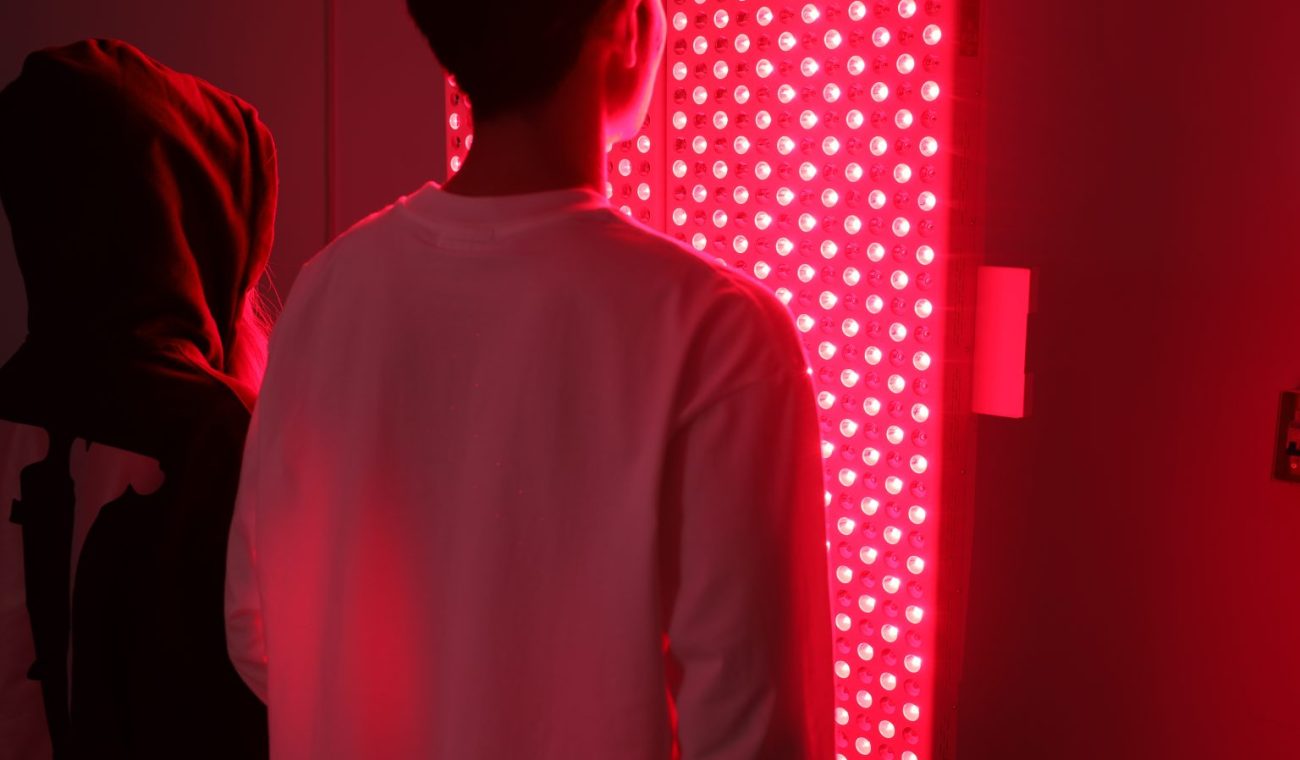
I was standing in a small Kowloon clinic when the tech told me they had to cancel treatments for the afternoon because one batch of panels overheated — imagine that, lah. In many such clinics across the city, downtime adds up: industry surveys show 20–30% lost productive hours due to simple hardware faults and poor thermal design. So where does responsibility sit, and how do manufacturers respond? (I ask because I’ve seen the chain reaction — annoyed customers, wasted LEDs, and rushed fixes.)
This piece looks at those weak links and asks a few blunt questions: are manufacturers designing for real use, or only for the spec sheet? The next section digs into the practical flaws I keep seeing in the workshop and on the clinic floor — and why they matter to both makers and users.
 Deep dive: Why current designs keep failing
When I talk to engineers and clinic owners, the same names pop up: bad heat management, flaky optics, and power supply quirks. A core problem is that many manufacturers build to pass tests, not to last in daily practice. As a quick example, red light therapy device manufacturer might spec an LED array for 1,000 hours under lab cooling — but in a busy clinic that runs devices all day, the setup behaves very differently. I’ve seen units with inadequate heat sinks and cheap power converters that trip after extended use. Look, it’s simpler than you think: design must match real load, not ideal lab conditions.
What keeps happening on the ground?
First, thermal paths are too optimistic. Designers rely on small heat sinks and passive airflow, then clinics mount panels in tight cabinets. Result: hotspot formation, faster lumen depreciation, and sometimes premature diode failure. Second, optical alignment is often an afterthought. Cheap optical lenses and loose mounts create irregular irradiance; patients complain about uneven results. Third, electronics — poor quality power converters and weak surge protection cause intermittent flicker and downtime. These are not exotic faults. They’re mundane. But mundane faults are the ones that repeat, day after day. — funny how that works, right?
Looking ahead: new principles and practical checks for better outcomes
We should start by changing the design mindset. Instead of pushing just for cost per unit, I argue we should measure "clinic-readiness." That means designing LED arrays with realistic duty cycles and specifying wavelength calibration that holds under heat. It also means using robust power converters and clear service access. When a red light therapy device manufacturer thinks in this way, the device lasts longer and users trust it more. I’ve watched vendors adapt by adding modular optics and better heat paths — small changes that cut failure rates sharply.
What's next for manufacturers and buyers?
Practically, I expect more focus on modular designs, better documentation, and simple diagnostics built into the unit (LED status, temperature logs, simple fault codes). Case studies show units with proper heat sinks and thermal cutoffs reduce service calls by half within a year. We need field testing rigs too — simulate a busy clinic, not a lab. These steps cost a bit more up front but save time and reputation later — and honestly, customers notice.
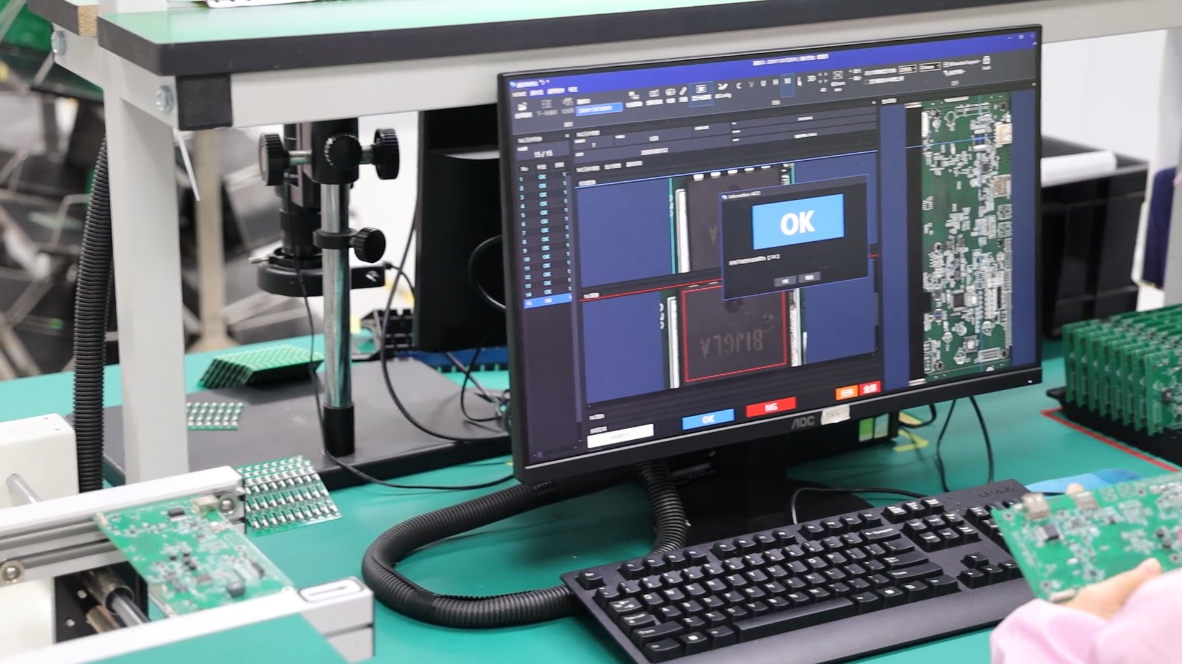
To help you evaluate offers, here are three metrics I now use when I assess a manufacturer: 1) Real duty-cycle test results (not just lab hours). 2) Thermal management specs with thermal images. 3) Serviceability score — how fast can a module be swapped? Use these, and you’ll cut surprises. — I say this because I’ve been burned by pretty specs before.
Closing thoughts
I’ve written this from the workshop and the clinic. We need less marketing polish and more rugged thinking. Manufacturers who adopt clear thermal designs, robust power converters, and honest optics will win trust — and fewer calls at midnight. If you’re choosing a partner, ask for real-world test logs and a plan for field failures. That’s how we move from repeated fixes to steady performance.
For anyone building or buying, keep your checklist tight and your questions sharper. I believe better design is not just nicer tech — it’s respect for the people using it every day. For practical partnerships and manufacturing options, consider exploring Magique Power for more information: Magique Power.