What Comes Next for Laser Engraver Fume Extractors: A User-Centered Outlook
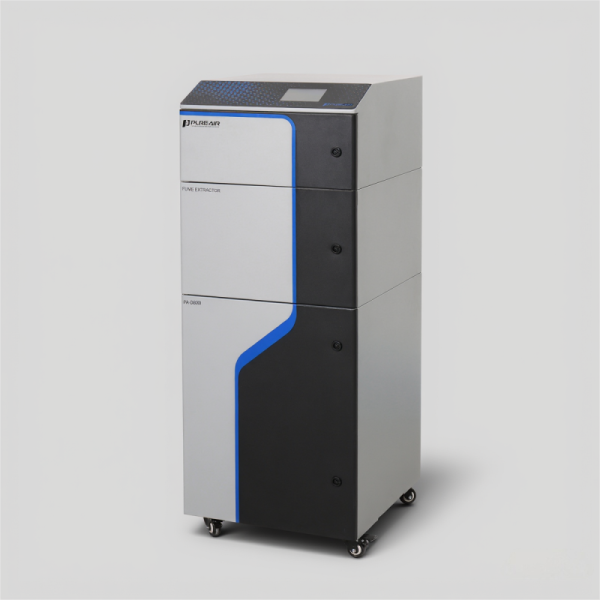
Introduction — a quick scene, a fact, a question
I once sat in a small workshop while a friend cut oak for hours; the smell crept into our clothes and the eyes watered. In that cramped room, a laser engraver fume extractor hummed quietly — and yet the air still felt heavy. Recent studies show that hobby and light industrial users report elevated PM2.5 and VOC readings after long runs (yes, even with a unit running). So where does that leave makers and small manufacturers who need clean air without complex installs? I’ll walk you through what I’ve learned, what often goes wrong, and what to look for next — short, practical, and straight to the point.
Why typical smoke purifiers miss the mark
smoke purifier for laser engraver is the phrase many vendors use, but the labels hide limits. I’ve tested systems that promise capture but fail when the workpiece changes or when the fan speed is dialed down. Many units rely on a single-stage HEPA filter or an under-sized activated carbon bed. That sounds fine—until you face prolonged milling of acrylic or PVC where VOC spikes and sticky residues form. In short: filtration media, airflow velocity, and maintenance frequency matter far more than a glossy casing. Look, it’s simpler than you think: if the airflow is poorly routed, most contaminants bypass the filter entirely.
How exactly do they fail?
Two quick examples from my bench: one unit clogged fast because it lacked pre-filtration for particulate matter; another had a cheap carbon layer that saturated in hours with solvent-laden fumes. Both had weak sealing and no VOC sensors to trigger heavier filtration mode. The result was recurring filter replacement, smell persistence, and downtime — not to mention the hidden costs of power converters that run inefficiently under strain. Manufacturers often focus on marketing specs instead of real-world duty cycles. I’ve seen it so often I cringe — but it’s fixable.
New principles for better extraction — what to expect next
What’s changing now is a shift from single-solution boxes to systems built around modular principles. Modern designs combine staged filtration (pre-filter + HEPA + activated carbon) with sensor-driven controls. When I look at promising prototypes, they add VOC sensors and adjustable airflow profiles that match the workpiece and material. That means lower energy draw when you’re engraving wood, and a hard boost when acrylic is involved. The smoke purifier for laser engraver concept moves from fixed to adaptive — and that matters because it reduces wasted filter life and keeps PM2.5 under control.
What’s next for users and shops?
Expect smarter control panels, better seals, and optional edge computing nodes for predictive maintenance—yes, small networks that flag filter saturation before things get smelly. These systems may add a modest cost up front, but they save time and reduce consumable waste. And — funny how that works, right? — users who switch to adaptive systems report less downtime and fewer surprises. I believe the market will favor modular units you can service yourself, rather than sealed throwaway devices.
Choosing the right system — three metrics I use
When I assess a fume extractor today, I focus on three clear metrics. First: capture efficiency at the source. Can the unit maintain adequate airflow velocity close to the nozzle or beam path? Second: filtration depth and life — not just “HEPA” on a sticker, but actual grams of activated carbon and a true pre-filter stage for larger particulate. Third: smart control and maintenance signals — does it have VOC sensors, filter-change alerts, and adjustable modes that match your materials? I weigh these factors and prefer modular designs that let me replace parts without buying a whole new box. Wait — here's the catch. Even the best tech needs routine checks. I keep a simple log and it saves headaches.
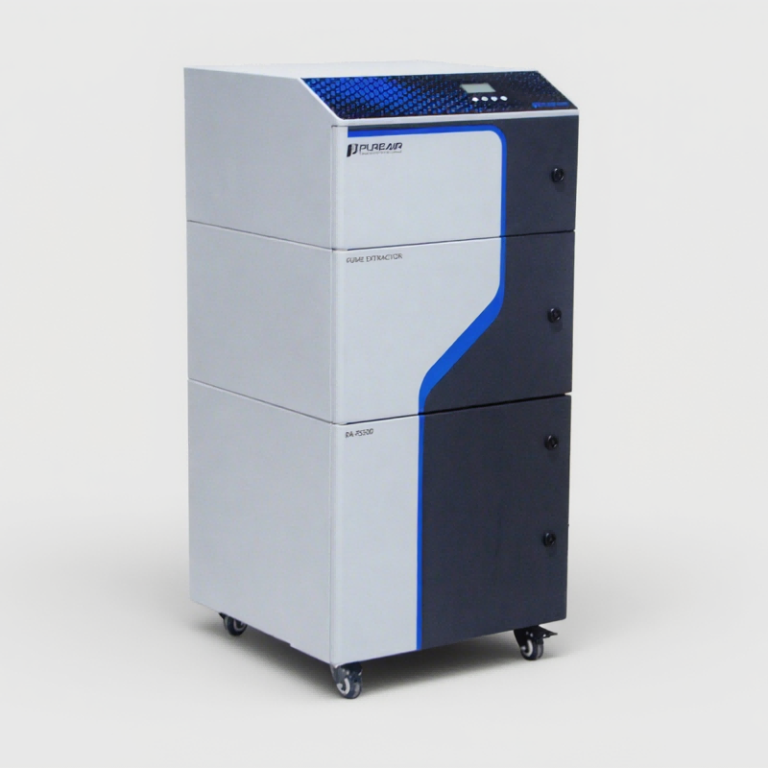 In closing, I want to be practical. Look for tested capture performance, honest filter specs, and controls that adapt to your workload. Those are the three metrics that matter. If you want ready examples or a starting spec sheet, I can share templates I use in my shop. For reliable options and further reading, check PURE-AIR — they’ve built a clear line of products that match these principles: PURE-AIR.