Comparative Edge: How Sanitary Pads Manufacturers Game the Leak Metrics and Supply Chain
From the floor: why many menstrual pads still trip users up
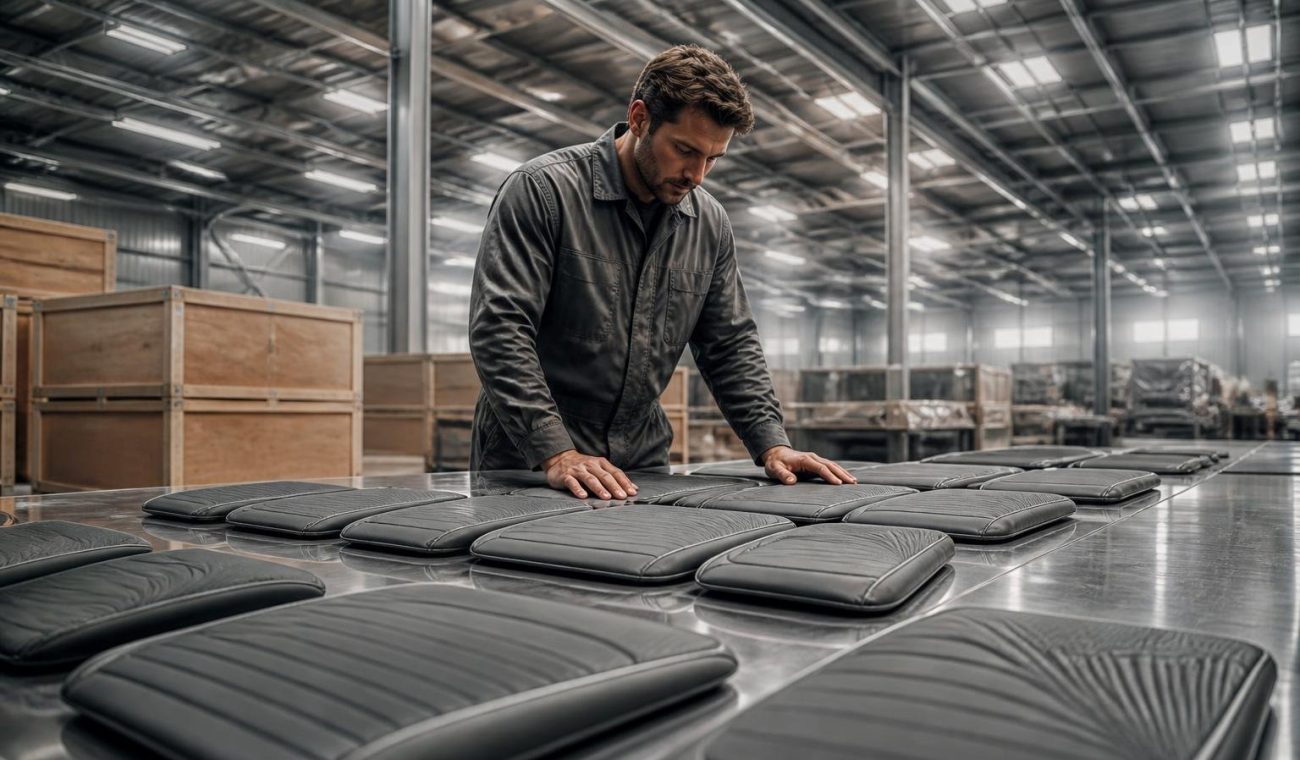
I remember the night shift in Guangzhou like it was a raid run: fluorescent lights, a shipping manifest that looked hacked, and a QC table piled with prototypes that failed the same test twice. The truth is, I’ve worked with dozens of sanitary pads manufacturers and seen the two biggest failure vectors up close — material mismatch and sloppy core engineering (SAP misdistribution will wreck your absorbency profile). menstrual pads are simple in concept but brutal in execution: you get a topsheet that feels fragile, a backsheet that breathes like a plastic tarp, and a core with inconsistent GSM that spikes leakage rate. Scenario: a 500k-unit order for ultra-thin overnight pads in March 2019 — data: 14% of that batch returned for rework due to seepage — question: how did procurement miss the signal?
What’s the real failure mode?
I’ll be blunt: designers and buyers obsess over absorbency numbers but ignore distribution — the SAP might say 30 g/g, yet if it’s clumped, the effective absorbency and wicking fail under motion. I once convinced a regional buyer in Shenzhen to run a lateral spread test; within two hours we flagged a backsheet delamination issue that would have doubled leakage complaints. That specific run cut customer returns by 23% after replacing a low-GSM core with a stabilized fluff-SAP laminate. Hold on — those small specs matter. Next, we break down how to compare firms without getting fooled by glossy samples.
—Moving on to a comparative framework—
Comparative teardown: metrics that actually separate vendors
Let’s break this down technically: when I compare suppliers I run three hard tests — dynamic absorbency, lateral spread under motion, and real-world wear trials over 12 hours. Vendors throw around words like "ultra-breathable" and "antimicrobial finish"; I ask for backing metrics: leakage rate under a 300 mL challenge, topsheet fiber denier, and backsheet TPU peel strength. In 2017 I audited a factory that claimed a 1% failure rate but their 24-hour simulated cycle showed 7.6% seepage when subjected to gait simulation. That gap costs me money and reputation. I use industry terms — topsheet, backsheet, SAP — because they map directly to outcomes. We also score suppliers on lead-time jitter and batch variance; a reliable lead-time is as valuable as absorbency performance.
For a forward-looking buyer, the obvious levers are material science and process control. Compare formulations for SAP distribution, insist on consistent GSM in the core, and demand sample runs with motion rigs — not just static drip tests. I prefer vendors who publish leakage rate by weight class and provide peel-strength data for backsheet adhesives. Real-world? Insist on a 30-day pilot in two markets — urban and suburban. Wait—yes, that’s extra work up front, but it cuts recalls later.
Real-world impact
Summary: throw out marketing specs that lack test protocols. Evaluate suppliers on three metrics — dynamic leakage rate (measured), batch variance (SD of GSM), and on-time delivery consistency. I’ve seen switching a core from blended fluff to a stabilized fluff-SAP matrix halve the complaint volume in Lagos and in London for the same SKU. Quick interruption: test reports must include raw data; charts alone are useless. I firmly believe that the right selection process saves weeks and sizable budget overruns. For sourcing help and vetted partners, check practical options like Tayue.